

About IAHuB-TZ

A hub for learning, research and practical innovation.

IAHuB-TZ brings together educators, researchers, students, innovators, institutions and communities to create opportunities for learning, collaboration and community-centered solutions.

Our direction

We support meaningful connections, professional events, research participation, innovation development and responsible technology use for education transformation.

AILiteracy
STEMEducation
Our Story

How IAHUB-TZ Began

The Innovation and Academic Hub Tanzania (IAHUB-TZ) emerged from a shared desire to address educational challenges through collaboration and innovation. The idea originated in 2023 following experiences gained by visiting lecturers from the Linz School of Education at Johannes Kepler University (JKU), Austria, during their engagement at Aga Khan University in Tanzania.

Founding Institutions

Institutions and partners

PARTNER

Schools and Teacher Communities

Education Partner: Schools and teacher communities collaborate with IAHuB-TZ to strengthen classroom practice, digital learning and inclusive technology adoption.

PARTNER

Research Institutions

Research Partner: Research institutions work with the Hub to support academic writing, research methods, dissemination and collaborative projects.

PARTNER

Government and Development Agencies

Public Sector Partner: Public institutions and development agencies support digital transformation, innovation readiness and sustainable development activities.

PARTNER

Community Innovation Networks

Community Partner: Community innovation networks connect local problem solvers with mentors, learning resources, and opportunities to showcase impact.

Founders

People behind the hub

Strategic leadership and academic collaboration supporting IAHuB-TZ.

Prof. Fredrick Mtenzi

Prof. Fredrick Mtenzi

Founder and Co-Chairperson · Formerly affiliated with the Institute of Educational Development-East Africa, The Aga Khan University, Dar es Salaam, Tanzania

Fredrick Mtenzi has worked on various projects exploring digital technology integration in education in the East African context. Fredrick is a Professor of Educational Technology, formerly affiliated with the Aga Khan University, Institute of Educational Development - East Africa. At AKU, he works on numerous research projects worldwide related to technology integration, teaches and supervises postgraduate students, and leads digital innovations in teachi ... ng and learning. As the IAHUB-TZ founder and co-chairperson, he provides strategic leadership, strengthens partnerships, promotes innovation and responsible AI adoption, supports resource mobilisation, and guides the Hub's long-term growth and impact. Fredrick is the chair of the newly established GeoGebra Centre in Tanzania. Research interests: Educational Technology; Digital Innovation; AI in Education; Postgraduate Supervision; GeoGebra; Strategic Partnerships
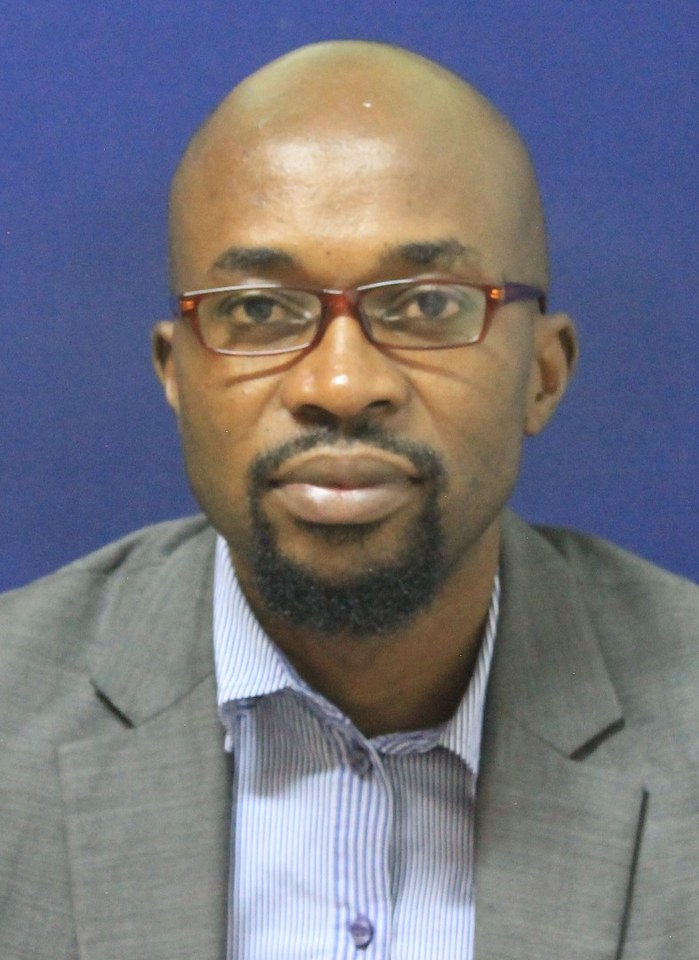

Musa Saimon

Musa Saimon

IAHUB-TZ Coordinator · Linz School of Education, STEM Education Centre, Johannes Kepler University, Linz, Austria

Musa Saimon is an educator and researcher at Johannes Kepler University, Linz School of Education. He has been involved in projects and publications focusing on digital competence, artificial intelligence literacy, technology-enhanced learning, STEAM education, inclusive education, and culturally responsive pedagogy. Through research, training, and community engagement, he promotes responsible use of emerging technologies to support educational transformat ... ion and sustainable development. As the IAHUB-TZ Coordinator, he serves as the central link between members, partners, and stakeholders, coordinating programmes and events, managing partnerships and communications, leading capacity-building initiatives, supporting research and innovation, monitoring progress, and ensuring effective implementation of the Hub's mission. Research interests: Digital Competence; AI Literacy; Technology-Enhanced Learning; STEAM Education; Inclusive Education; Culturally Responsive Pedagogy

Univ. Prof. Zsolt Lavicza

Univ. Prof. Zsolt Lavicza

Co-Chairperson · Linz School of Education, STEM Education Centre, Johannes Kepler University, Linz, Austria

Zsolt Lavicza has worked on research projects examining technology and mathematics teaching in classroom environments in Michigan and Cambridge. He has greatly contributed to the development of the GeoGebra community and research projects on GeoGebra and related technologies worldwide. Currently, Zsolt is a Professor in STEM Education Research Methods at Johannes Kepler University's Linz School of Education. At JKU, he works on worldwide technology integra ... tion projects, leads the doctoral programme in STEM Education, teaches educational research methods, and coordinates projects within the International GeoGebra Institute. As a co-chairperson of IAHUB-TZ, he provides strategic guidance for international collaboration, research excellence and innovation, fosters African-European partnerships, supports capacity building, facilitates access to global expertise and funding, and promotes knowledge exchange in emerging technologies and artificial intelligence. Research interests: STEM Education; Research Methods; GeoGebra; Mathematics Education; International Collaboration; Emerging Technologies

Governance and Leadership

Our organisational structure

Swipe horizontally to view the full structure.

Hub Director / Coordinator

Overall leadership, strategic planning
and coordination of IAHUB-TANZANIA

1. Training and
Capacity Building Unit

  • Teacher professional development
  • AI and digital skills
  • STEAM and innovation
  • Parent engagement
  • Support for school
    and university students

2. Research and
Academic Collaboration Unit

  • Collaborative research and publications
  • Grants and project development
  • Research supervision
  • Evidence-based innovation
  • Action research and evaluation studies

3. Technology and
Innovation Unit

  • AI and educational technology
  • GeoGebra and digital tools
  • 3D printing and makerspaces
  • Prototyping and innovation support
  • Development of educational apps and digital solutions

4. Community Engagement
and Partnerships Unit

  • Schools and local communities
  • Parents and caregivers
  • Industry and EdTech partners
  • Outreach and knowledge mobilization
  • National and international collaborations
  • Innovations for community development

5. Digital Learning and
Resource Development Unit

  • Online learning platforms
  • Digital resources and repositories
  • Virtual classes and webinars
  • Training materials and guidelines
  • Innovation showcase
  • Website and knowledge sharing

6. Monitoring, Evaluation
and Quality Assurance Unit

  • Track progress and impact
  • Develop indicators and tools
  • Quality assurance
  • Data collection and analysis
  • Reporting and feedback
  • Continuous improvement
    of hub activities